
A cross-disciplinary council for responsible AI in practice.
Academic, legal, language, finance, model training, and industry experts working together on AI use boundaries, safety governance, ethical standards, technical sharing, and practical adoption for Canadian companies.
A team-shaped council with academic, legal, language, and AI systems expertise.

Matthew Trueman
Advises on language quality, cross-cultural communication, translation, prompt clarity, and how AI-generated language should be reviewed.
View profile
Yan Wang
Contributes legal and litigation perspective for commercial, intellectual property, information technology, cross-border, and governance questions.
 Hodder, Wang LLP View profile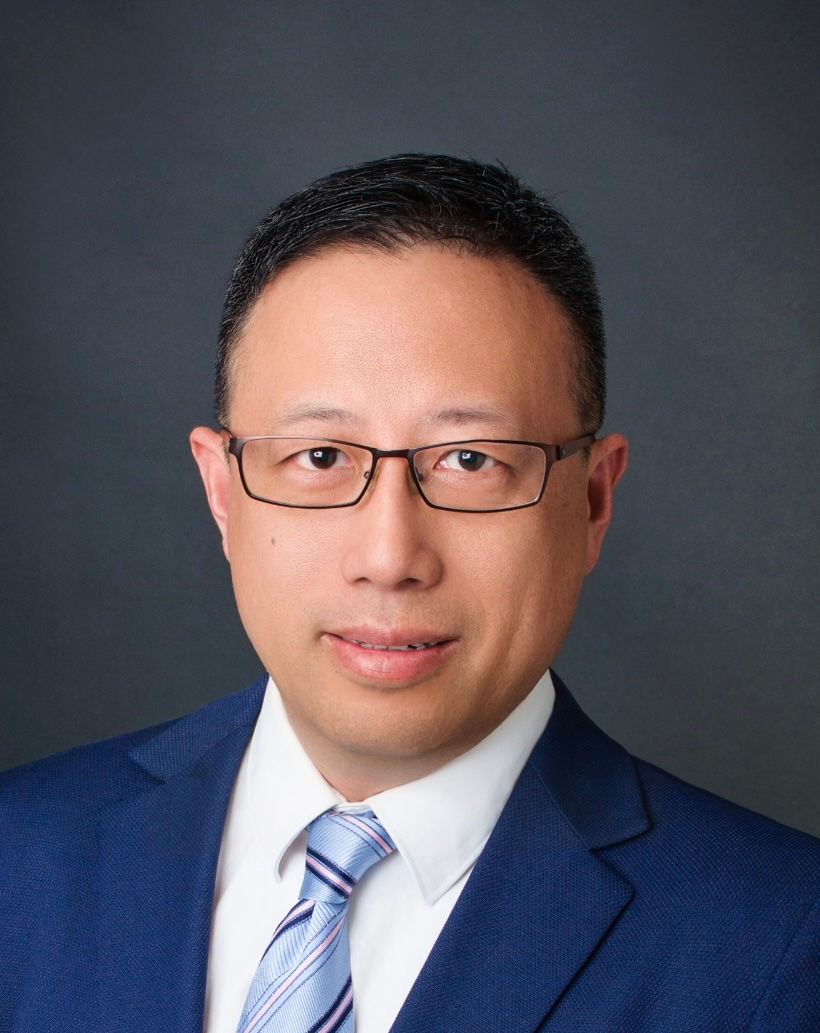
Tao Wang
Brings academic perspective across information systems, analytics, knowledge management, NLP, machine learning, and responsible technology adoption. Dr. Wang is also collaborating with OpenTeam on research into how AI can widen the gap between senior and junior professionals, and how training and workflow design can help new graduates and early-career workers build capability in AI-enabled workplaces.
 University of Toronto Faculty of Information View profile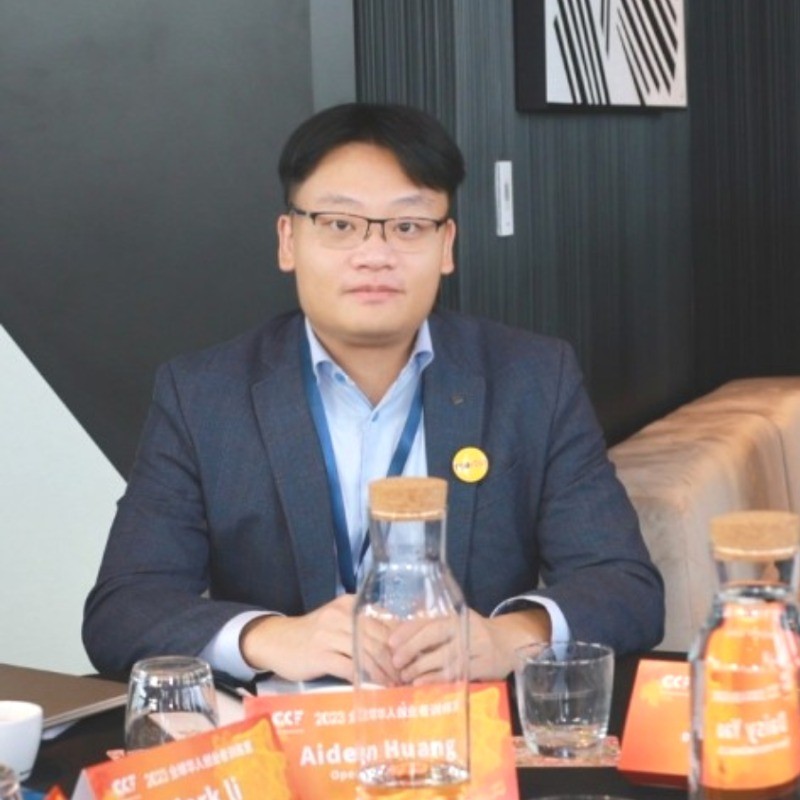
Yicheng (Aiden) Huang
Advises on applied AI workflows, IT implementation, model training operations, and practical rollout patterns for business teams.
View profileTurning AI questions into operating guidance.
The council gives OpenTeam a structured place to study how AI should be used, restricted, evaluated, and adopted in real company workflows.
Use boundaries
Define where AI should assist, where human judgment must remain final, and how teams should communicate those boundaries.
Safety governance
Discuss practical controls for data access, review, misuse prevention, auditability, and model output evaluation.
Ethical standards
Translate fairness, transparency, accountability, and professional duty into company-level operating practices.
Technical sharing
Share implementation lessons across model training, retrieval, workflow automation, security, and system integration.
Industry application
Build guidance for legal, finance, accounting, ecommerce, healthcare, education, public service, and operations teams.
Canadian readiness
Help Canadian companies adopt AI with clearer expectations for professional review, privacy, risk, and business value.
Responsible AI has to survive contact with real workflows.
The council focuses on guidance that can be used by leaders, professionals, and teams without turning AI adoption into abstract policy work.
Human accountability
AI can draft, compare, search, summarize, and automate, but professional accountability stays with the qualified person or business owner.
Source-aware work
Useful AI work should keep source material, connected systems, assumptions, and review history close to the output.
Domain-specific standards
Legal, finance, language, healthcare, education, and operational use cases need different risk controls and review norms.
Practical adoption
The council focuses on frameworks companies can actually use: policies, training, checklists, playbooks, and workflow patterns.
Bring expert judgment into company AI adoption.
OpenTeam works with experts and companies to turn AI capability into safer, reviewable, and industry-aware business workflows.